02 Dec 2025 • Vivian Butwani
In the saturated digital landscape of 2026, a functioning product is merely the baseline; the true competitive battleground is user experience. Today's users are ruthless, and a clunky interface results in immediate abandonment. For business leaders, this reality highlights a critical challenge: hiring a UI/UX design agency is not just an aesthetic choice, but a strategic financial decision. A well-designed platform is a proven investment that significantly lowers development costs, minimizes technical debt, and dramatically skyrockets customer retention.
The market is flooded with options, ranging from budget freelancers to premium consultancies, making it difficult to find a partner who truly understands your specific business logic. At Youiocean, based in the tech heart of Mumbai, we bridge that gap daily. We don't just design screens; we are dedicated to engineering robust, scalable business solutions for startups and enterprises alike. To help you cut through the noise and ensure your next design investment delivers measurable, real ROI, we have compiled this executive guide. It answers the top 7 questions you must ask before signing a contract.
Pricing is often the final hurdle before a contract, but "cheap" design is often the most expensive mistake you can make. Costs vary significantly based on scope, the complexity of the platform, and the agency's location (e.g., North American/European agencies vs. offshore boutique hubs like India).
The Insight: Avoid agencies offering full app designs at surprisingly low prices. At that level, you aren't paying for essential user research or strategic business logic; you are paying for a "skin" that will likely fail during development. Always be wary of hidden costs: ask upfront if the quote includes font licensing, stock asset purchases, or post-launch iteration support.
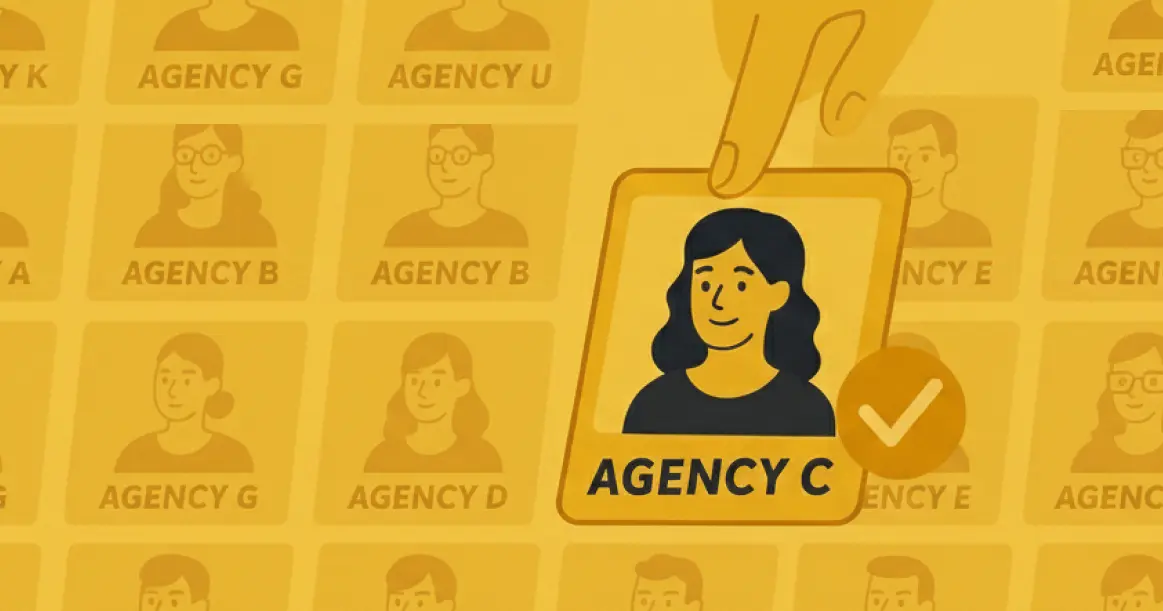
The best agency understands your business goals, not just aesthetics. Define your goals and budget clearly. When vetting partners, look for portfolios that detail the problem solved, and check Clutch for reliability.
Litmus Test: A discovery call should focus on your revenue model and user pain points, not aesthetics. Good design requires deep collaboration. At Youiocean, we use this call to challenge assumptions and refine the business model before designing.
This decision comes down to Scale vs. Cost.
If you are building a business, an agency offers continuity. If one designer is unavailable, the team covers the gap, ensuring your roadmap stays on track.
If an agency promises high-fidelity designs in Week 1, run. A professional process typically follows the "Double Diamond" methodology, which reduces risk by validating assumptions before development begins.
Discovery: Stakeholder interviews, competitor analysis, and scope definition.
Definition: Creating user personas, user flows, and sitemaps.
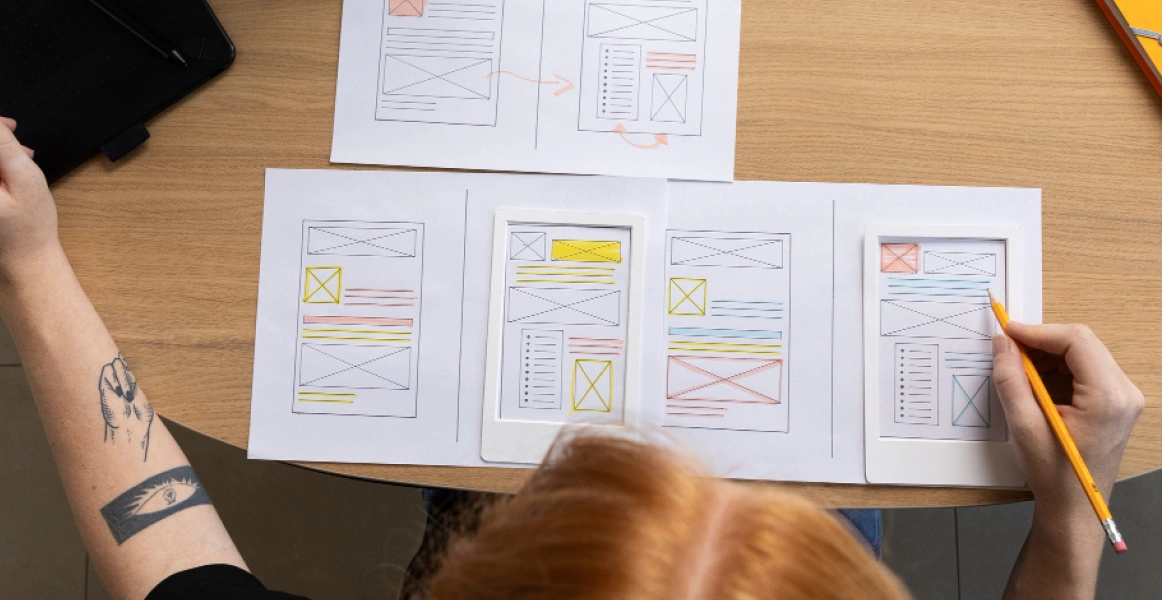
Design: Wireframing (the structural blueprint) followed by High-Fidelity UI (the visual layer).
Testing: Prototyping and usability validation.
True UX solves problems first and decorates second. This structured approach is how we ensure that what we build is actually what your users need.
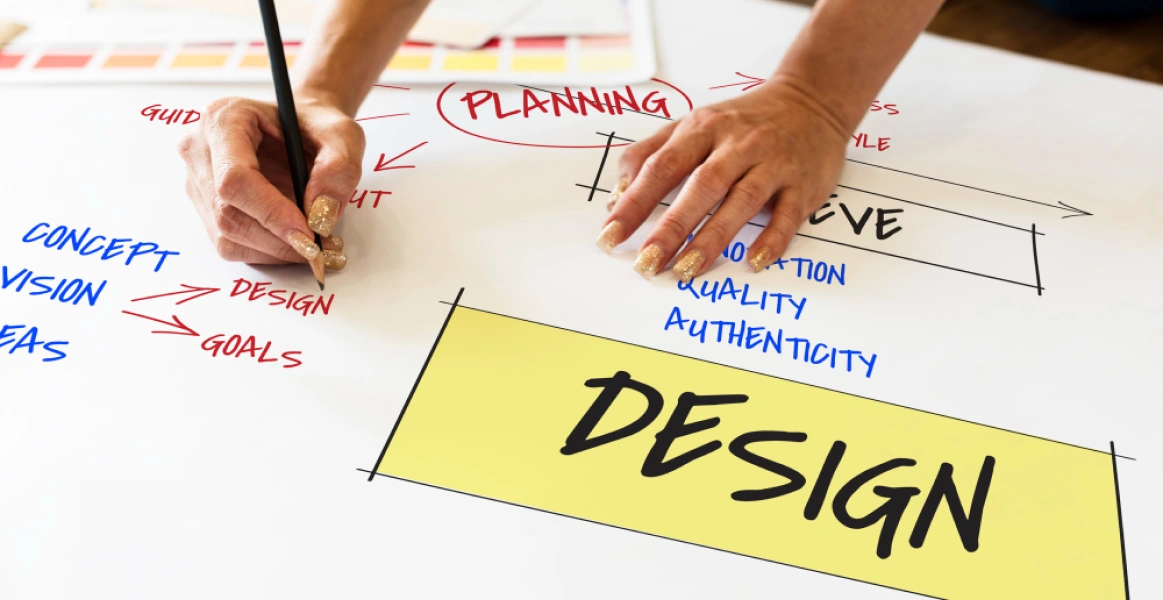
Agencies don't just "draw screens." Full-service partners cover the entire product lifecycle to ensure viability. Core services include:
Note: Always clarify if Development Handoff support is included. This is the technical documentation developers need to code your design accurately.
Good design is a business investment, not an expense. It directly impacts your bottom line in three measurable ways:
Lower Development Costs: Fixing a logic error during the design phase (wireframing) is 10x cheaper than fixing it after the code is written. Measure twice, code once.
Higher Conversion Rates: A seamless flow removes friction, leading to more sign-ups or purchases.
Reduced Support Costs: When an interface is intuitive, users submit fewer support tickets, lowering your operational overhead.
In a crowded market, experience is often the only differentiator between you and a competitor.
This is the most common question we hear.
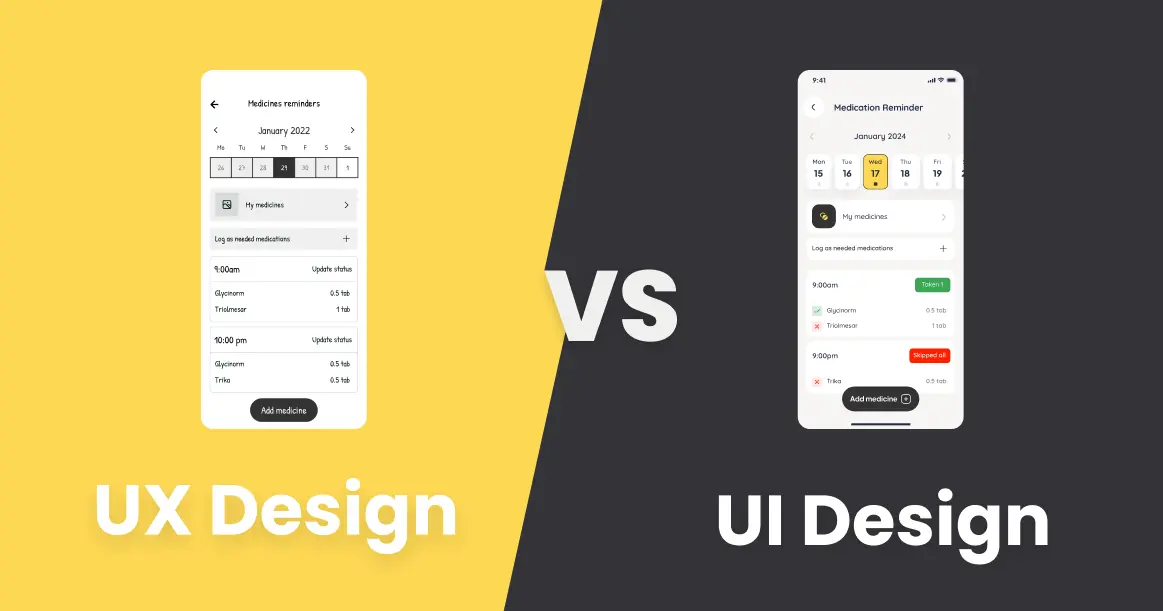
For example, in a checkout app: UX decides that the user needs a 'Guest Checkout' option to reduce friction. UI designs the button to be green and places it prominently so it's impossible to miss. You need both to succeed.
Investing in the right agency is investing in your product's market fit. Whether you are launching a new MVP or scaling an enterprise platform, the right partner will help you validate your ideas, save on development costs, and build a product users love. Ready to validate your idea? Contact Youiocean today for a discovery call, and let's discuss how we can bring your vision to life.
Not necessarily. Engaging an agency before your content is finalized can be beneficial. We use "content-first design" principles to help structure the information architecture (IA), which dictates what content is actually needed. This prevents writing 1,000 words for a page that only needs a simple diagram.